Hong Kong University and Fujian Medical University Collaborate to Develop Anti-Caries Nanocomposite Hydrogel, Reducing Depth of Demineralized Lesions in In Vitro Models by Approximately 68%
 |
| Source: Development of a novel pH-responsive anti-caries nanocomposite hydrogel |
DentalGoodNews|A study published in the "Journal of Dentistry" in July 2026 shows that a novel pH-responsive nanocomposite hydrogel (NCH), jointly developed by teams from Fujian Medical University and the University of Hong Kong, can inhibit dentin demineralization in a pH cycling model simulating cariogenic challenges. Micro-CT results indicate that the lesion depth in the NCH-treated group was reduced by approximately 68% compared to the water control group.
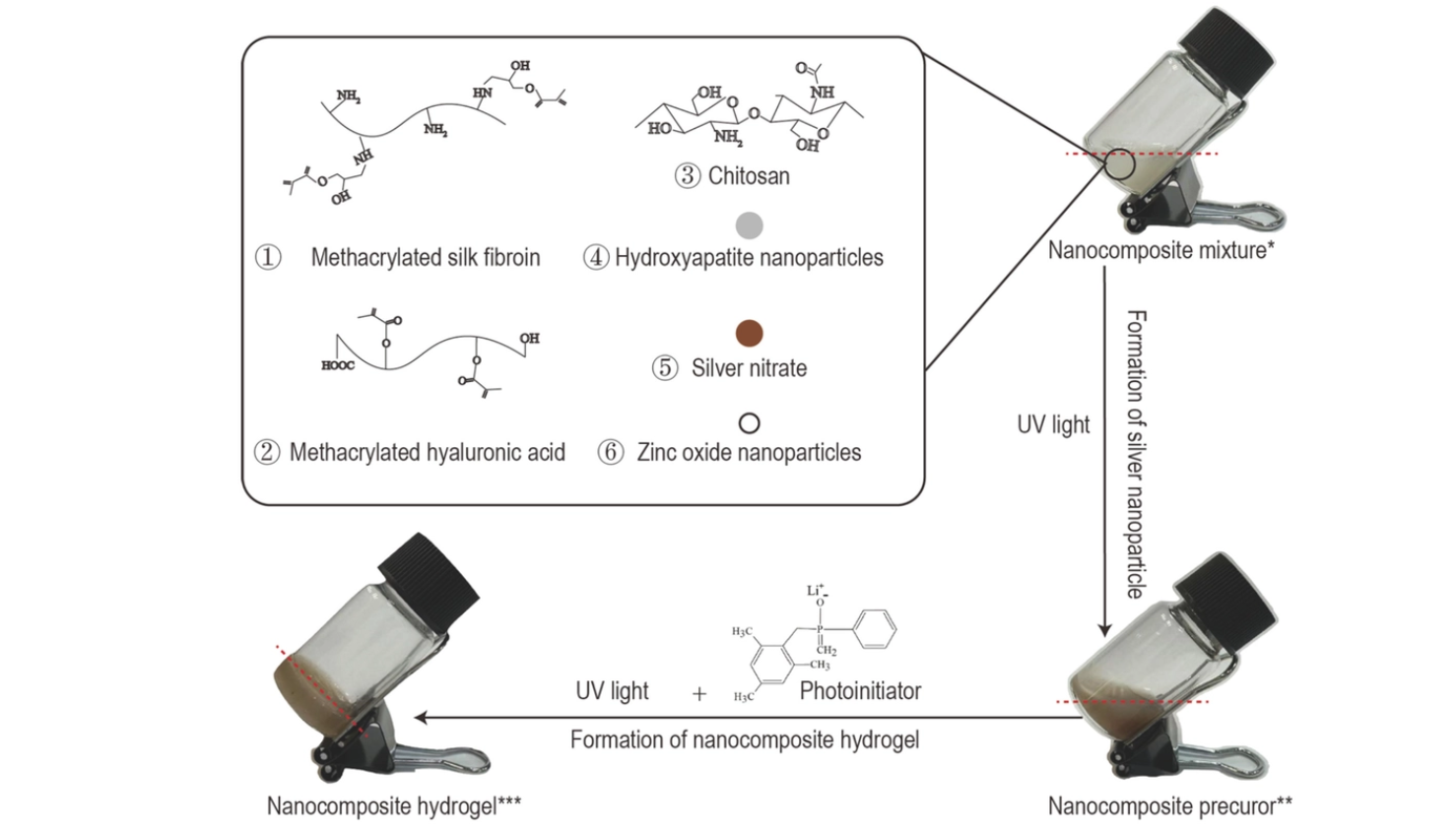
This study was completed through collaboration between teams from Fujian Medical University and the University of Hong Kong. Researchers combined methacrylated hyaluronic acid, methacrylated silk fibroin, and chitosan, incorporating Nano Hydroxyapatite (n-HAp), nano-silver, and nano-zinc oxide to construct a biomaterial with an interconnected porous network structure.
Experimental data show that this hydrogel exhibits acid-triggered ion release characteristics. At pH 4.5, the release of silver, calcium, and zinc ions from NCH was significantly higher than at pH 7.5 (p<0.001). Specifically, at 180 minutes, the silver ion concentration at pH 4.5 reached 1.13±0.01 ppm. Researchers believe that this property of preferentially releasing antibacterial and mineralization-related ions in an acidic environment may support the development of more targeted materials for dental caries management.
 |
| Source: Development of a novel pH-responsive anti-caries nanocomposite hydrogel |
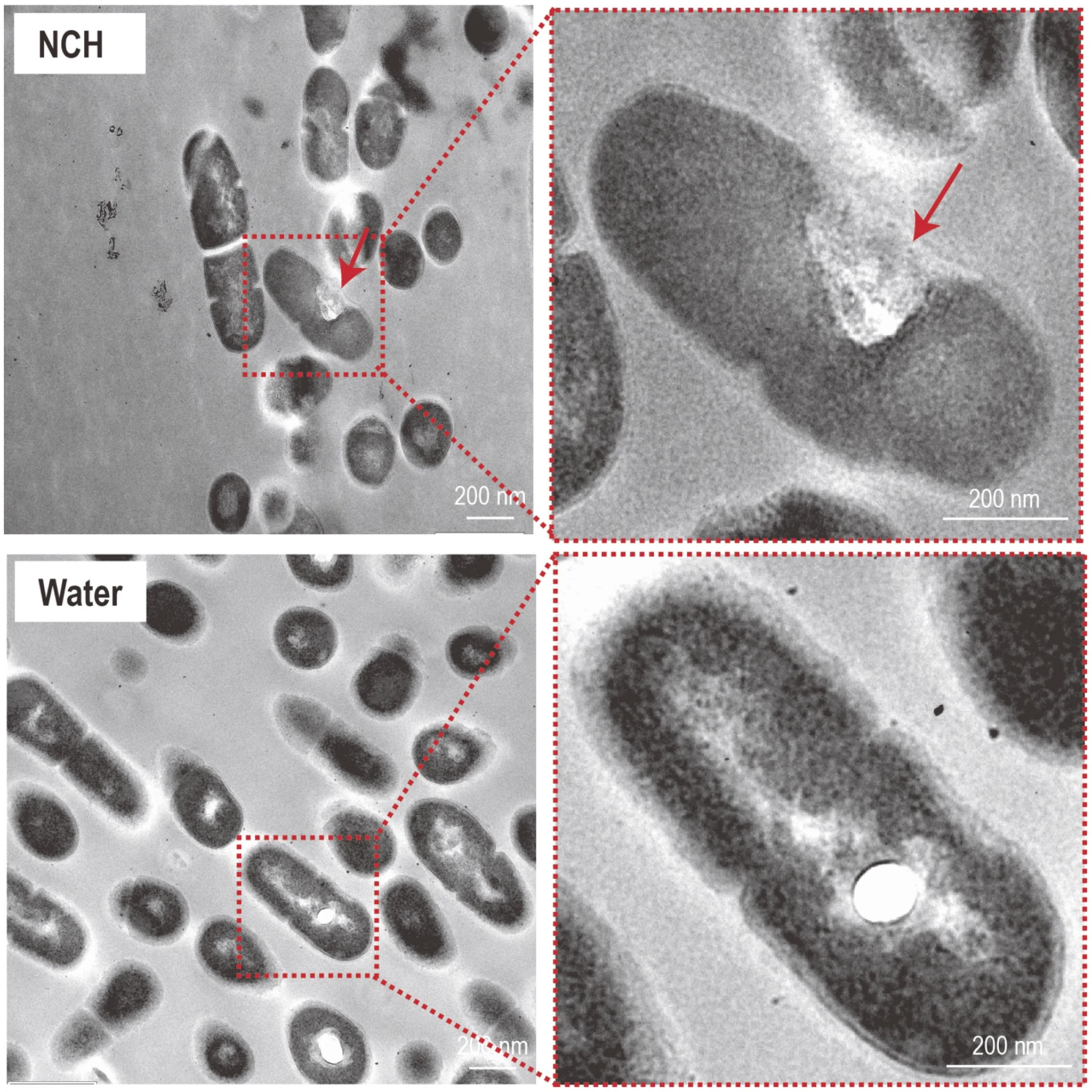
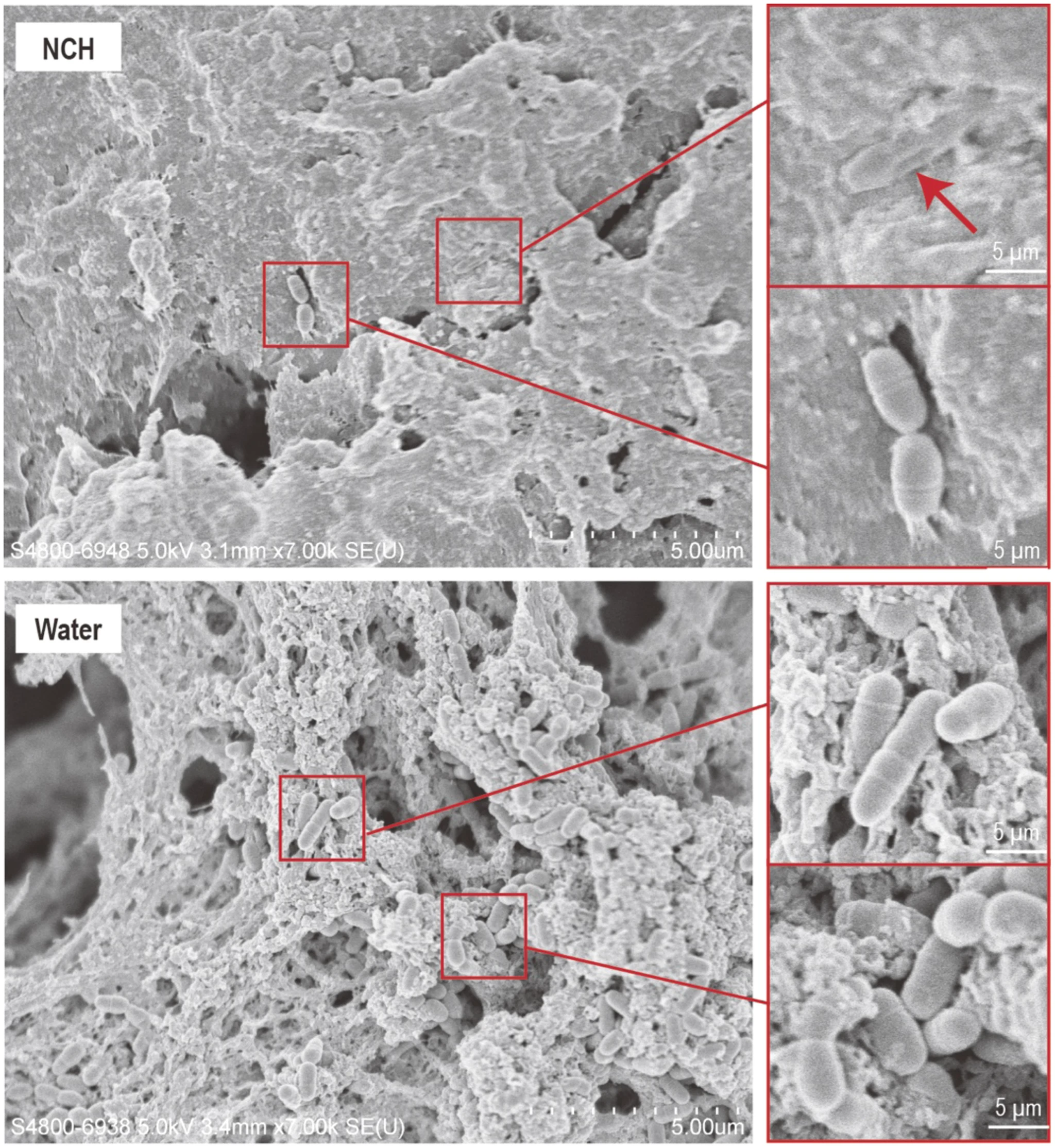
In terms of antibacterial performance, NCH demonstrated inhibitory effects against the key cariogenic bacterium Streptococcus mutans, with a minimum inhibitory concentration (MIC) of 210.00±30.69 ppm and a minimum bactericidal concentration (MBC) of 500.00±71.37 ppm. The colony counts for the NCH group and water control group were 5.38±0.31 and 6.89±0.56 log₁₀ CFU, respectively. Scanning electron microscopy observations revealed reduced bacterial colonization on dentin surfaces treated with NCH; transmission electron microscopy showed damage to bacterial morphology and cell membrane integrity.
Cytotoxicity experiments indicated that the half-maximal inhibitory concentration (IC₅₀) of NCH against human gingival fibroblasts and stem cells from human exfoliated deciduous teeth was 1440.46±120.94 ppm and 1068.75±78.31 ppm, respectively, both higher than its MIC and MBC against Streptococcus mutans. However, these results are derived from short-term in vitro cell experiments and cannot be directly equated to clinical safety.
 |
| Source: Development of a novel pH-responsive anti-caries nanocomposite hydrogel |
Furthermore, the study validated the protective effect of NCH against dentin demineralization using a 7-day pH cycling model. Micro-CT results showed that the dentin lesion depth in the NCH-treated group was 35.41±6.49 μm, significantly lower than the 110.92±18.56 μm in the water control group; the mineral loss in the two groups was 0.17±0.14 gHA/cm³ and 0.73±0.09 gHA/cm³, respectively, with all differences being statistically significant (p<0.001).
The application of nanotechnology in dental materials is attracting attention. According to a previous report by DENTALGOODNEWS (Leading Dental Industry Media, DGN), Nanyang Technological University in Singapore and its partners disclosed their developed nano-coating technology for dental restorations, mentioning its potential applications in areas such as tissue integration and antibacterial properties.
This study is still at the in vitro experimental stage, using only extracted dentin blocks, a single Streptococcus mutans biofilm, and a short-term cytotoxicity model. It has not yet evaluated the material's long-term degradation, stability, mechanical properties, crosslinking efficiency, or performance in a multi-species oral environment. Researchers point out that current results indicate NCH can reduce dentin demineralization and mineral loss, but it cannot yet be concluded that it achieves true dentin biomimetic remineralization. Its safety and anti-caries efficacy still require further validation through animal experiments and clinical trials.
| About DGN:DentalGoodNews (DGN) is a trusted professional media platform dedicated to the global dental industry. We deliver in-depth coverage of corporate news, policy & regulation, investment & funding, and clinical frontiers — serving dental institutions, device manufacturers, investors, and industry researchers worldwide. Contact us: haodeya@dongxizixun.com |

;)