New Study: After Xylitol Intervention, Oral Microbiome Changes in Children with Autism, Language Abilities Improve
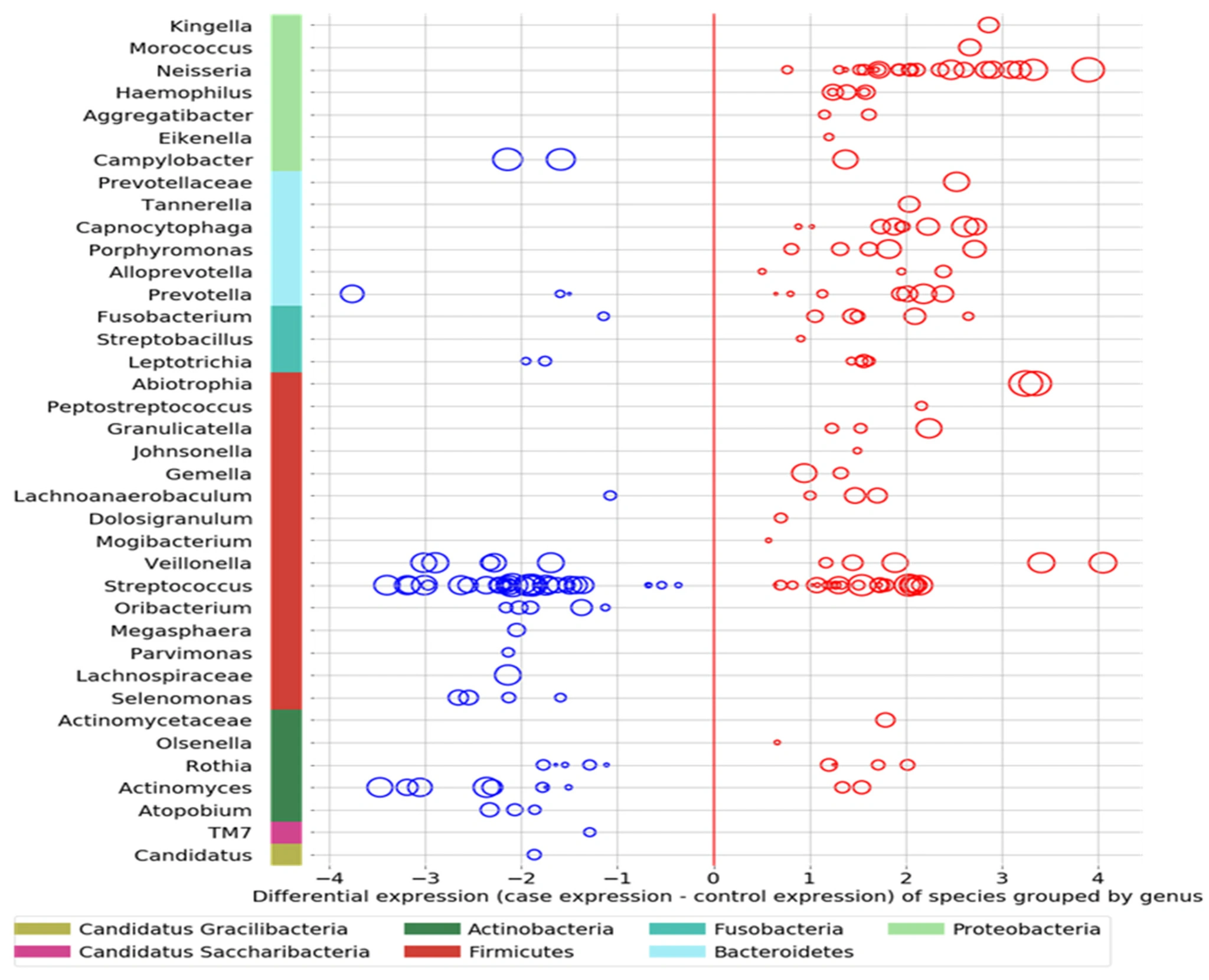 |
| Source: Salivary Transcriptome and Mitochondrial Analysis of Autism Spectrum Disorder Children Compared to Healthy Controls |
DentalGoodNews|On October 6, 2026, oral care brand Xlear published a commentary article citing a salivary transcriptome and mitochondrial analysis study published in "NeuroSci," indicating that after a 60-day xylitol intervention, some children with autism spectrum disorder (ASD) were reported to show improvements in language ability, and their salivary microbiome and mitochondrial function exhibited measurable changes.
The study was conducted through collaboration among Northwestern University, Ann and Robert H. Lurie Children's Hospital of Chicago, and Viome Research Institute, among other institutions, aiming to explore differences in the oral microecology between children with ASD and neurodevelopmentally normal control groups (30 neurotypical children from the United States and 30 from Colombia).
The researchers observed that among the 30 children with ASD participating in the study, 6 were reported by parents and medical personnel to show significant improvements in language ability after a xylitol intervention targeting approximately 5 grams per day; another 3 children were also reported to show similar improvements after subsequent supplementation with oral probiotics.
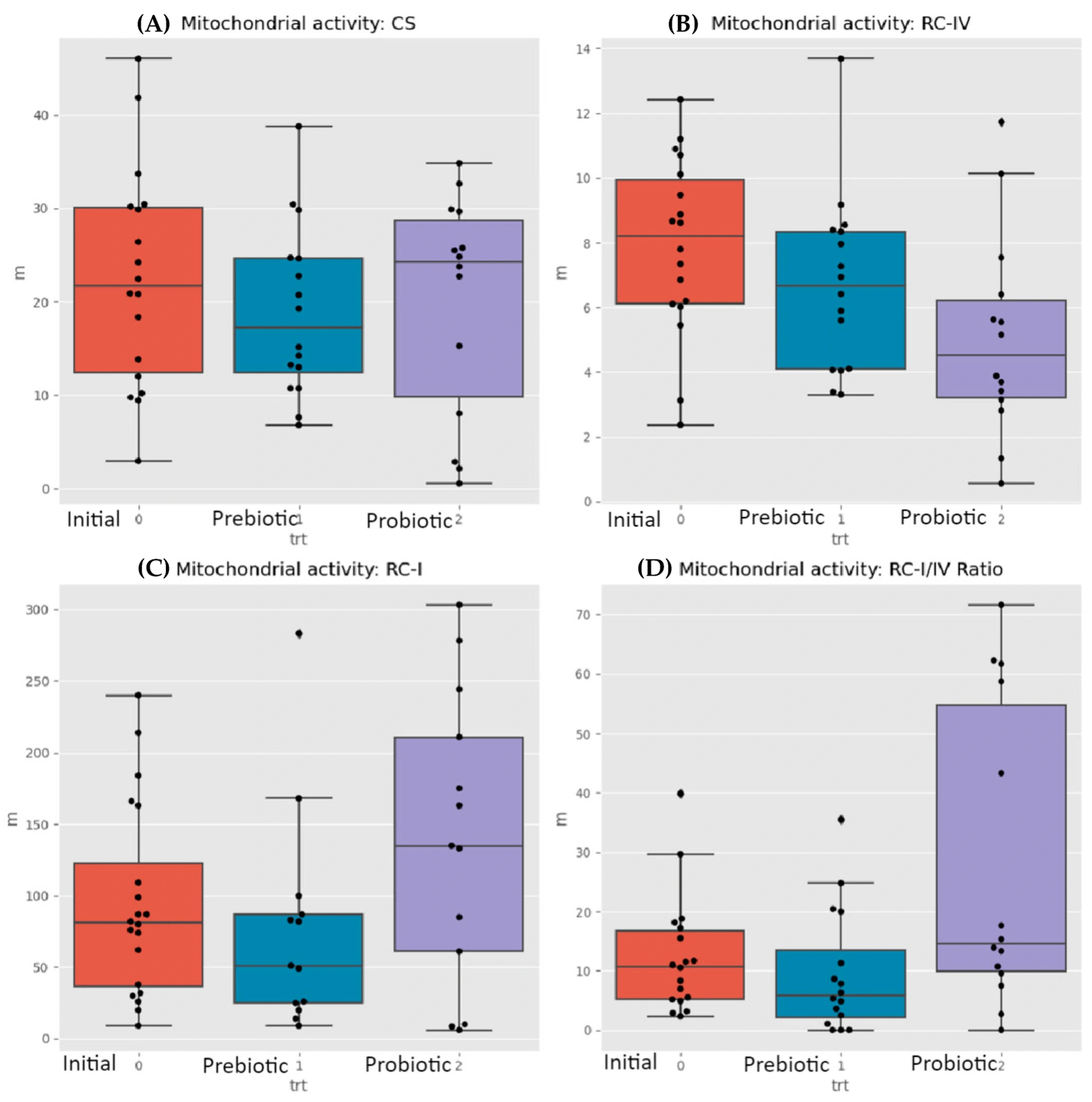 |
| Orange squares represent the initial sampling of 30 children with autism spectrum disorder (ASD), light blue squares represent after 60 days of prebiotic use, and purple squares represent after 60 days of probiotic supplementation. |
From a biological mechanism perspective, the researchers found that the salivary microbiome of children with ASD showed notable differences from the Healthy Control Group, with specific bacterial strains being more common in the patient group, one of which was reported to potentially reduce neurotransmitter levels through enzymatic degradation. Xylitol, as a low-fermentation sugar substitute, can inhibit the metabolism of cariogenic bacteria such as Streptococcus mutans and interfere with bacterial adhesion and biofilm formation, thereby altering the competitive landscape of the oral ecology and potentially indirectly influencing the host's metabolic signaling pathways.
Xlear stated that this autism study provides a new direction for exploring the significance of xylitol and the Oral microbiome, but at this stage it cannot be confirmed that xylitol can treat autism, and the relevant mechanisms still await validation through controlled clinical studies.
According to previous reports by DGN, a research team from the University of Hong Kong also discovered an association between the Oral microbiome and autism spectrum disorder, and developed a prediction model with an accuracy rate of 81% that can identify children with autism through oral sampling. The accumulation of multiple interdisciplinary studies suggests that the Oral microbiome may provide research clues for understanding the relationship between the oral microecology and neurodevelopment.
| About DGN:DentalGoodNews (DGN) is a trusted professional media platform dedicated to the global dental industry. We deliver in-depth coverage of corporate news, policy & regulation, investment & funding, and clinical frontiers — serving dental institutions, device manufacturers, investors, and industry researchers worldwide. Contact us: haodeya@dongxizixun.com |

;)